Home › Advice › Identifying bed bugs
How to identify a bed bug
Size, shape, colour, eggs and young — and the insects most often mistaken for them.

Before worrying, identify. Many insects found in a bedroom are not bed bugs, and conversely a bed bug often goes unnoticed for weeks.
What a bed bug looks like
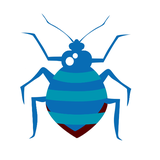
- Size: 4 to 7 mm as an adult, roughly an apple seed.
- Shape: oval and very flat when unfed, plumper and longer after a meal.
- Colour: light brown to reddish brown; it darkens after feeding.
- Wings: none. A bed bug does not fly and does not jump. It walks, fairly quickly.
- Body: horizontally segmented, no narrow waist, with short antennae.
Young bed bugs and eggs
The young (nymphs) look like miniature adults but are much paler, nearly translucent before their first meal — which makes them very hard to see. Eggs are about 1 mm, white, and glued in small clusters inside cracks and seams.
Insects mistaken for bed bugs
| Insect | How to tell it apart |
|---|---|
| Carpet beetle | Rounder, often mottled; the larva is hairy. Does not bite. |
| Flea | Body flattened side to side (not top to bottom) and jumps a long way. |
| Tick | Eight legs as an adult, body swells considerably; attaches to skin. |
| Pantry beetle | Hard, shiny shell, found near dry food. |
| Silverfish | Silvery, tapered, moves in a wriggling motion; likes damp places. |
The right reflex: if you catch an insect, put it in a closed container or clear tape, and take a sharp photo. Identification becomes far quicker.
Where to look first
Bed bugs stay within reach of their food source. Start with the mattress seams and folds, the corners of the box spring, the frame and headboard, then widen to night tables, the baseboards behind the bed and door frames.
Not sure?
That is normal, and it is exactly what a professional inspection is for. An experienced technician confirms or rules it out in one visit.
Not sure? Let's talk today.
Tell us what you have seen: we will tell you honestly whether it is bed bugs and what the best course of action is.